AI in the job market: what the largest study reveals
Discover the impact of AI on the job market according to the largest study by Anthropic and what this means for event professionals.
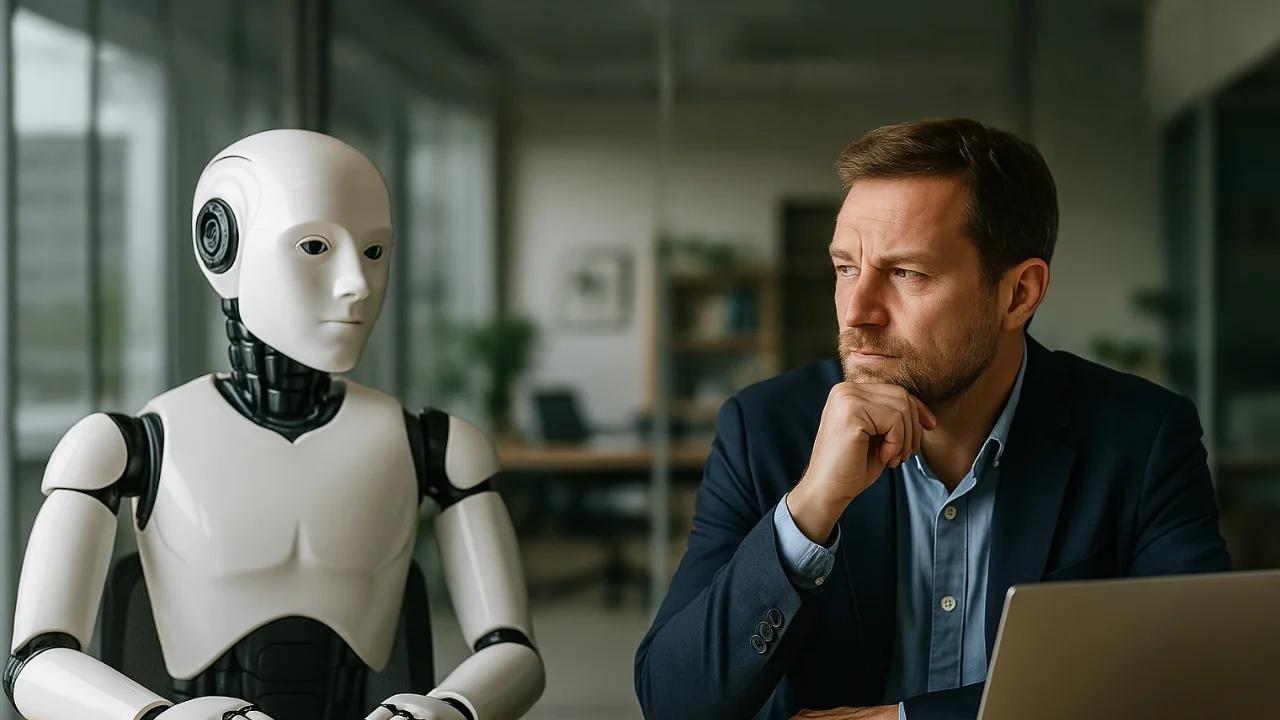
In the 90s, everyone was afraid that computers would replace people. But it wasn't the computer that replaced people — it was the people who knew how to use the computer that replaced those who didn't.
History is repeating itself now with artificial intelligence. And the latest data shows that the pattern remains the same.
The largest study ever conducted on the impact of AI on the job market
Anthropic published the most comprehensive study to date on the real impact of AI on the American job market. It’s not theory, it’s not projection — it’s real data from millions of conversations with Claude, cross-referenced with information from the U.S. Department of Labor.
And the result? For now, there is no mass unemployment happening because of AI. But that doesn’t mean everything is fine. The impact is occurring gradually and silently.
The gap between what AI can do and what it actually does
The study crossed two metrics: theoretical capacity and actual use. The distance between the two is enormous.
For example: IT and programming tasks have 94% theoretical capacity for automation. But the actual use today? Only 33%. Even in the most exposed professions, AI is still far from reaching its maximum potential.
Which professions are most exposed
Most exposed:
- Programmers (75% task coverage)
- Customer support representatives
- Data entry operators
- Financial analysts
Least exposed:
- Cooks
- Mechanics
- Bartenders
- Lifeguards
Professions that depend on physical presence and manual skills are protected. Even in the most exposed, there has been no significant increase in unemployment.
What is really changing: hiring of young people
The most important signal from the study: the hiring of young people (ages 22 to 25) in exposed professions has dropped by about 14%. Companies are simply hiring fewer new people for these roles — not laying off.
If you have AI as part of the work, you need fewer juniors. The required profile changes. The way of working changes. The structure of teams changes.
The impact on the corporate events market
If programmers (75% exposure) are not losing jobs en masse, producers and event organizers have even less to worry about. Events depend on presence, reading context, managing people, improvisation on the day — skills that AI cannot replicate.
But that doesn’t mean the impact won’t be significant. AI will not replace producers — but it will separate those who master tools from those who fall behind. And unlike IT, corporate events are still a technological desert. There is space, there is opportunity.
How OROZ positions itself
Here at OROZ, we use AI in our daily operations — not to replace people, but to free up time for what really matters: understanding the context of the event, designing the right solution, making the best decisions.
The tool does not replace the professional. The professional who masters the tool replaces those who do not.
Want to chat with us?
Talk to OROZ